
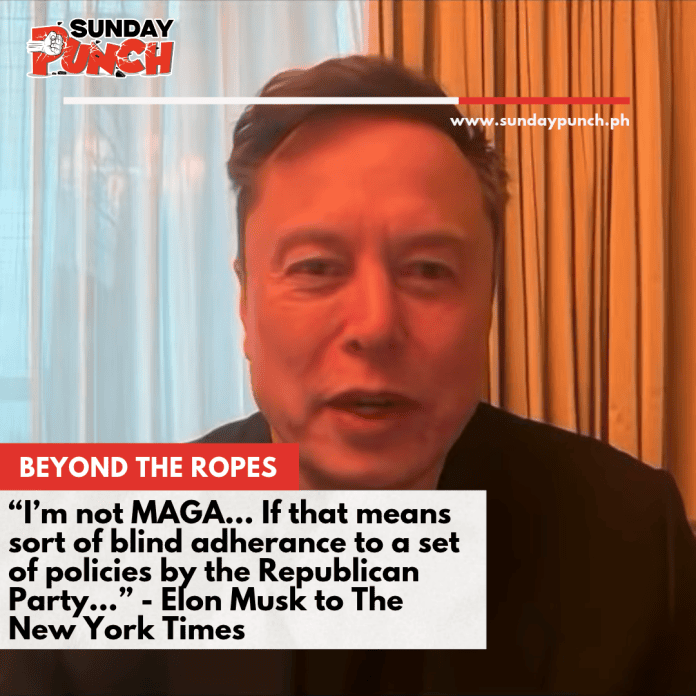
Tech billionaire Elon Musk is distancing himself from President Donald Trump’s MAGA political movement after spending nearly $500 million supporting Republican candidates in the 2026 US midterm elections. Speaking virtually from China during the New York Times DealBook Summit on November 18, Musk declared that he does not blindly follow Republican policies, despite previously spending more than $250 million to help Trump return to the White House in 2024. His remarks followed major Republican election losses, including Democrats winning control of both chambers of Congress.
Musk acknowledged that his massive political spending had failed to deliver the electoral results he wanted, admitting that he felt foolish about the money invested. The Tesla and SpaceX chief executive said he would have contributed less if given the opportunity to reconsider his decisions. He explained that his goal was to maintain a narrow Republican majority while preserving political checks and balances, arguing that neither major US political party should hold unchecked power.
The billionaire’s comments mark a notable shift from his outspoken support for Trump and Republican candidates in previous elections. Musk helped finance Trump’s successful 2024 presidential campaign and later headed the administration’s Department of Government Efficiency (DOGE), which oversaw sweeping federal workforce reductions and spending cuts. His political influence also extended to Texas, where he heavily supported Republican candidates, including Governor Greg Abbott and Senate candidate Ken Paxton, both of whom lost their 2026 election bids.
Despite his history of Republican support, Musk now describes his political views as moderate, arguing that both Democrats and Republicans have strengths and weaknesses. He also expressed confidence that incoming Texas Governor Gina Hinojosa, a Democrat, would govern moderately despite his previous financial backing for her opponents. While Musk has not announced a complete withdrawal from political involvement, his remarks signal growing dissatisfaction with the effectiveness of his election spending and raise questions about his future relationship with the Republican Party.
Screenshot from The New York Times (YT)