
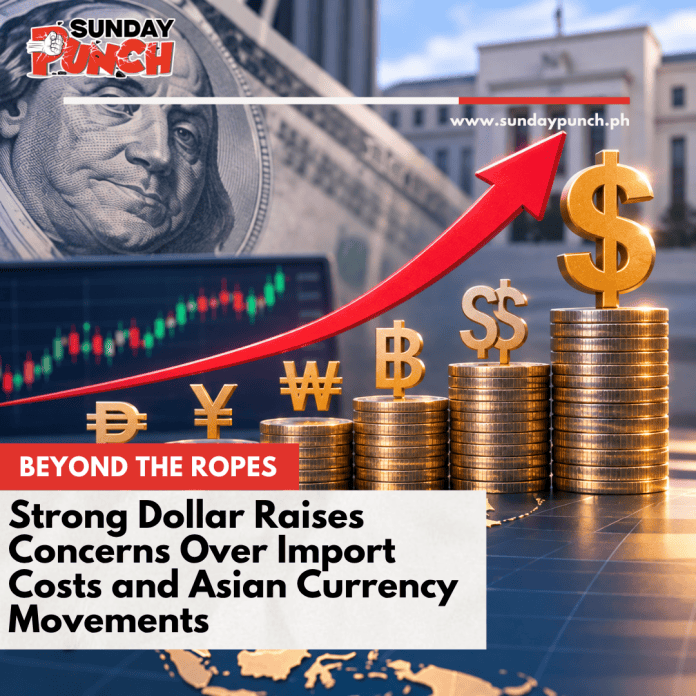
The US dollar is flexing its strength in global currency markets after stronger-than-expected American employment figures fueled expectations of another interest rate increase, putting Asian currencies and dollar-dependent economies under closer watch.
On November 9, 2026, the dollar traded near an 18-month high against the euro and a seven-month high against the Australian dollar. The renewed strength followed US labor data showing that the American economy added 165,000 jobs in October, significantly exceeding economists’ expectations of 65,000. The figures reinforced market confidence in the US economy despite continuing concerns over inflation.
The stronger employment numbers have also raised expectations that the US Federal Reserve could increase interest rates in December. According to CME Group’s FedWatch market estimates, traders were pricing in approximately a 79% probability of a rate hike on December 9, compared with 71% the previous week. Higher US interest rates can make dollar-denominated investments more attractive, potentially increasing demand for the American currency.
For Asian economies, the effects can reach far beyond financial markets. When local currencies weaken against the dollar, businesses may have to spend more on imported fuel, machinery, raw materials, and other goods priced in US currency. For Filipino consumers, a weaker peso could also make overseas travel, international purchases, and certain imported products more expensive, although actual price changes depend on several economic factors.
With the dollar holding its ground, investors are now turning their attention to upcoming US inflation data for clues about the Federal Reserve’s next move. Whether the American central bank raises rates or maintains its current policy could influence currency movements across Asia. For countries like the Philippines, the concern is straightforward: when the dollar becomes more expensive, the effects can eventually be felt by businesses and ordinary consumers alike.