
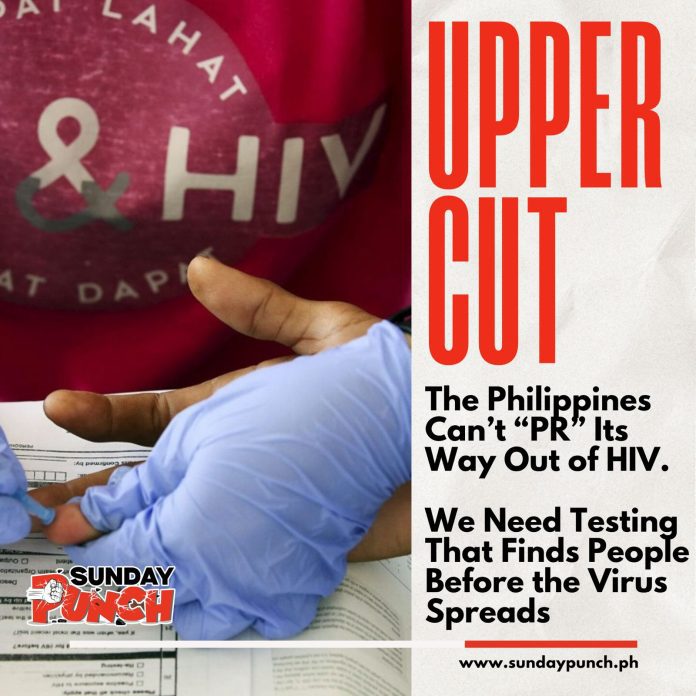
The Philippines has been living through one of the world’s fastest-growing HIV epidemics for years—and the most alarming part is how quietly it keeps moving. The numbers are rising, but the real danger is what we don’t see: a huge chunk of cases are still undiagnosed, meaning thousands of people are walking around unaware, untreated, and vulnerable—while the virus keeps circulating in the background.
Here’s the ugly math: the estimate of people living with HIV in the country jumped again in 2025, but diagnosed cases still only cover a little over half of the projected total. That gap matters because HIV isn’t just a “personal health issue”—it’s a public health chain reaction. If people don’t know their status, they can’t start treatment. If they can’t start treatment, they can’t get to undetectable. And if we don’t hit undetectable, we don’t cut transmission.
The good news exists—but it’s not enough to celebrate and move on. More people are getting on antiretroviral treatment (ART), and viral suppression among those monitored is high—proof that when the system reaches patients, it works. But a health system that only succeeds after someone is diagnosed is still losing the war if it can’t consistently get people tested early, link them to care fast, and keep them there. This is where stigma becomes lethal. It turns testing into something people avoid, hide from, or delay—until symptoms force the issue.
And let’s be clear about who this is hitting: most new cases are still among men, transmission is still largely sexual, and a big slice of new diagnoses are among the young (15–24). That’s not a moral panic—it’s a policy failure. We need aggressive, routine, normalized testing and real prevention that people actually stick with. Not lectures. Not shame. Not “awareness” posters. Real access, real privacy, real follow-through—so HIV stops spreading in silence while we pretend the problem is under control.
Image from INQUIRER