
The Philippine fashion publishing industry is about to welcome another international heavyweight, but the bigger question is whether another globally recognized masthead can bring something genuinely new to the table. French fashion and lifestyle magazine ELLE is officially entering the Philippine market in 2027 through a licensing partnership between House of Yugen and the Lagardère Group, joining an industry where Vogue Philippines, Harper’s Bazaar Philippines, and homegrown publications already compete for readers, advertisers, and cultural influence.
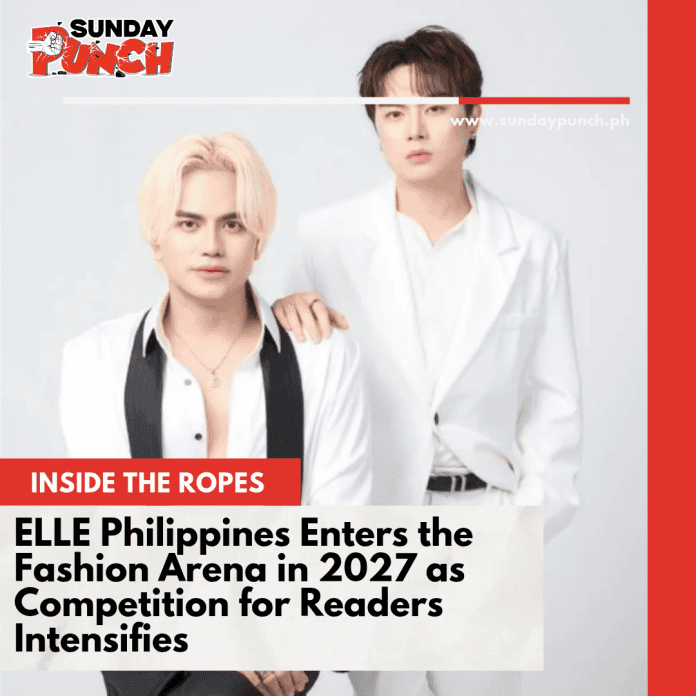
The expansion was announced by Filipino entrepreneur Josh Yugen, who will serve as president of ELLE Philippines, alongside Ian Borromeo as CEO and publisher. Established in France in 1945, ELLE has developed into an international media brand covering fashion, beauty, culture, and women’s issues. Its Philippine edition is expected to feature an English-language publication supported by a dedicated website, ELLE.ph, and social media platforms. Further details concerning editorial leadership, the inaugural issue, and the official release date remain forthcoming.
Beyond adding another familiar logo to magazine racks and digital feeds, the launch raises questions about opportunities for Filipino creatives. ELLE Philippines intends to showcase established and emerging designers, photographers, writers, artists, and entrepreneurs, potentially connecting local talent with a broader international audience. Yugen has emphasized the importance of giving Filipino creativity global visibility. However, while international branding may open doors, meaningful representation will ultimately depend on who gets commissioned, whose stories are published, and whether emerging talent receives the same attention as established industry favorites.
The launch also arrives at a time when fashion publishing extends well beyond printed pages, with digital content, celebrity partnerships, and commercial collaborations shaping how publications maintain relevance. ELLE Philippines will therefore face a challenge familiar to the industry’s existing players: balancing editorial identity, commercial viability, and audience engagement. After all, another glamorous cover featuring a familiar celebrity may attract attention, but it does not automatically constitute a fresh editorial perspective. A prestigious name may secure a seat at the table; what the publication contributes afterward is another matter.
For the Philippine fashion industry, ELLE’s arrival represents both an opportunity and another test of its evolving media landscape. With competition already established, the magazine’s long-term relevance may depend less on the prestige of its international name and more on its ability to document Filipino fashion, culture, and contemporary women’s experiences with substance and originality. The country is certainly not short of creative talent, fashion stories, or beautiful faces. What remains to be seen is whether another international platform can give them something beyond another cover to aspire to.