
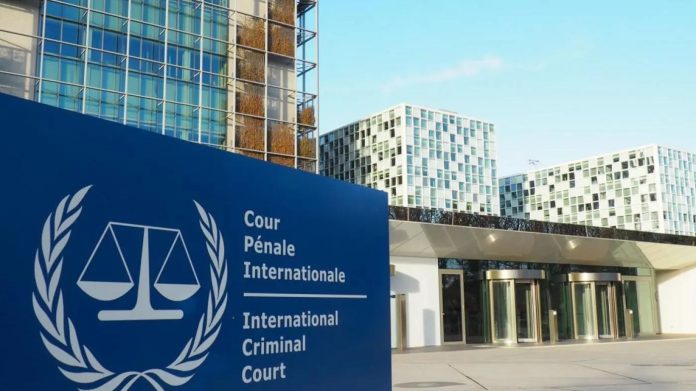
The International Criminal Court (ICC) is going straight at the spine of the machine: police and law enforcers. In a public call this week, ICC prosecutors appealed for direct witnesses—explicitly including Philippine National Police personnel and other law enforcement officers involved in the incidents under review—to come forward and speak with the Office of the Prosecutor, as the court pursues a crimes against humanity investigation tied to the Duterte-era drug war.
This isn’t a vague “submit your stories” campaign. The ICC is offering a secure online form for witness submissions, and the language of the appeal is pointed: they want insiders who can identify how operations worked, who gave orders, and how killings and encounters were documented—or buried. It’s the kind of evidentiary pivot that turns a political argument into a prosecutorial record.
The case posture is already advanced. Duterte was arrested at NAIA in March 2025, held at Villamor Air Base, and transferred to ICC custody in The Hague, where he remains detained. The ICC’s reach rests on the timeline of Philippine membership in the Rome Statute: despite Manila’s withdrawal (announced in 2018 and effective in 2019), the court maintains jurisdiction over alleged crimes committed from November 1, 2011 to March 16, 2019.
The numbers underline why the ICC is hunting for police testimony: government data places drug-war deaths at at least 6,000, while rights groups and ICC-linked estimates have cited ranges from 12,000 to 30,000 for the 2016–2019 period. In that environment, the ICC’s message to potential PNP witnesses is effectively a knock-out choice: keep quiet and let the record be written without you—or step up, testify, and put sworn detail where denial has lived.
Image from Marina Riera / Human Rights Watch