
Renewed violence in the Middle East has triggered global concern. Civilian casualties continue to rise, and tensions threaten to spread across neighboring states. Armed exchanges have raised fears of a wider confrontation that could disrupt trade routes, oil shipments, and air travel.
While the fighting is thousands of kilometers away, the Philippines is not insulated from its effects.
Why the Middle East matters to the Philippines
The region plays a role in two areas to the Philippine economy: energy security and overseas employment. Beyond these, it also affects trade flows, inflation, shipping costs, remittances, and overall economic stability.
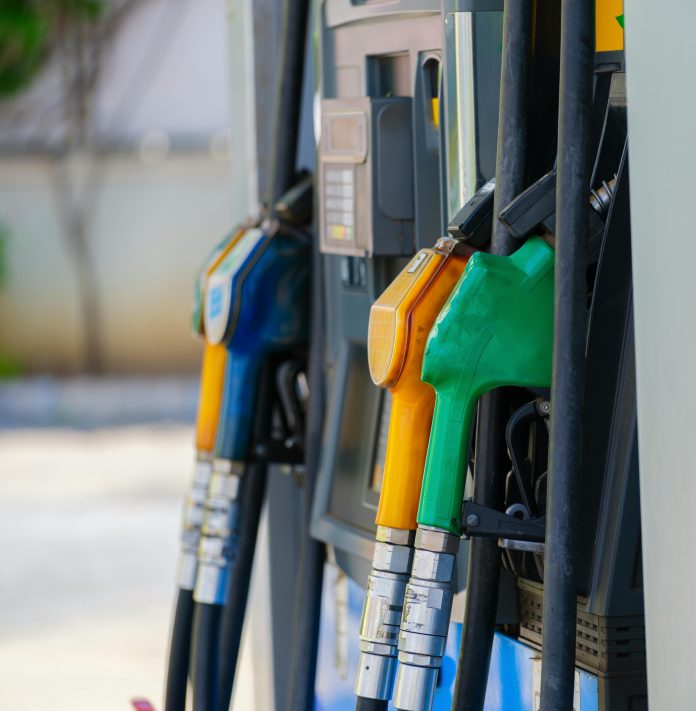
Any disruption in the Middle East, especially in major oil-producing countries, can quickly translate into higher fuel prices worldwide. For a country that imports nearly all of its fuel, this creates immediate pressure on transport costs, food prices, and electricity rates.
Almost all of the country’s crude oil imports came from the Middle East and about half of that supply is sourced from Saudi Arabia. Kuwait, the United Arab Emirates, Oman, and Iraq also serve as key suppliers.
Because the Philippines depends heavily on imported fuel, global instability directly affects pump prices. When oil prices surge, transport fares, logistics costs, and consumer goods often follow.
To reduce exposure to external shocks, lawmakers have pushed for stronger local energy development. The Philippine Natural Gas Industry Development Act (RA 12120), championed by Senators Alan Peter and Pia Cayetano, seeks to build a more natural gas industry in the country.
Supporters say this can help cushion the impact of global oil price spikes by diversifying energy sources. While it offers a strategic buffer, it will not immediately shield the country from global market volatility.
Millions of Filipinos in the region
The Middle East is home to a large Filipino workforce. Since the mid-1970s, the Philippines has deployed workers to the region due to limited job opportunities at home and strong labor demand abroad.
Today, Saudi Arabia, the United Arab Emirates, Kuwait, and Qatar host the largest Filipino communities in the region. These workers contribute billions of dollars annually in remittances, which support millions of Filipino families and bolster the national economy.
As tensions rise, concerns grow over their safety. In times of conflict, airspace closures and security risks complicate evacuation efforts. Repatriation can become difficult when commercial flights are suspended or regional airports face restrictions.
Higher global shipping insurance costs, disrupted supply chains, and financial market uncertainty could all impact the Philippine economy.
A prolonged conflict could also slow global growth, which would indirectly affect trade and investment in Southeast Asia.
Given these realities, policymakers should focus on protecting Filipino workers abroad, ensuring stable energy supply, and preparing the economy for external shocks. The developments in the Middle East serve as a reminder that global conflicts can carry immediate and lasting consequences at home.###