
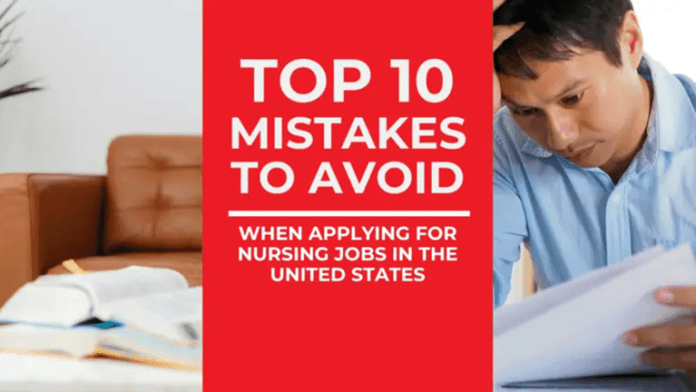
For many Filipino nurses, working in the United States is a career-defining goal, offering higher pay, international exposure, and long-term professional growth. However, the journey from the Philippines to the US healthcare system is complex, highly regulated, and often misunderstood.
International nurse recruitment specialists such as Grandison—which has supported and deployed hundreds of Filipino nurses to the United States—observe that even highly qualified candidates frequently make the same avoidable mistakes. These missteps can delay deployment by months or even years and, in some cases, end a USRN application altogether.
1. Applying Without Passing—or Clearly Planning for—the NCLEX-RN
According to Grandison, one of the most frequent mistakes is applying to U.S. employers without having passed the NCLEX-RN or without a concrete preparation plan. Since NCLEX is required for US licensure, applications without it are often deprioritized.
How to avoid it:
Grandison emphasizes starting NCLEX preparation as early as possible and aligning with pathways that offer structured guidance or exam reimbursement. Agencies experienced in US deployment often integrate NCLEX readiness into their recruitment timelines.
2. Delaying English Exams or Letting Scores Expire
English proficiency exams such as IELTS or TOEFL remain mandatory, yet Grandison notes that many applicants delay preparation or overlook expiration dates—resulting in unexpected setbacks.
How to avoid it:
Plan English exams strategically and track validity periods carefully. According to insights from Grandison, guided English exam preparation significantly improves first-time pass rates and prevents re-testing delays.

3. Not Fully Understanding Contract Terms
Contract-related issues are another recurring challenge flagged by Grandison. Some candidates sign agreements without fully understanding deployment timelines, bond periods, placement conditions, or financial obligations.
How to avoid it:
Grandison advises applicants to work only with agencies that prioritize transparency and are willing to explain every clause clearly before signing.
4. Underestimating U.S. Visa Processing Timelines
Grandison consistently reports that applicants often expect deployment within months, unaware that U.S. visa retrogression can extend timelines to several years depending on category and priority date.
How to avoid it:
Start early and prepare for a long-term process. Based on Grandison’s experience, trustworthy agencies provide realistic timelines and regular updates—rather than promising “fast deployment.”
5. Submitting Incomplete or Incorrect Documents
Documentation errors—such as missing signatures, expired licenses, or inconsistent records—remain a common cause of processing delays. Grandison describes this as one of the most preventable issues.
How to avoid it:
Applicants should double-check all documents before submission and keep credentials updated. Grandison highlights that proactive and organized candidates move through the process significantly faster.
6. Dishonesty About Past Immigration Issues
Failure to disclose previous visa denials, overstays, or immigration complications can permanently damage an applicant’s credibility. Grandison notes that these issues are often uncovered later in the process, with serious consequences.
How to avoid it:
Be transparent from the beginning. Grandison points out that experienced agencies can help manage complex histories—but only with full disclosure.
7. Falling for Misinformation Online
Social media and forums are filled with conflicting advice and unrealistic claims. Grandison frequently cautions nurses against relying on unverified sources that spread fear or false hope.
How to avoid it:
Cross-check information with trusted recruitment agencies and official sources. As Grandison advises, credible guidance is data-backed—not speculative.
8. Lack of Preparation for the U.S. Healthcare Environment
Beyond licensure, Filipino nurses must adapt to U.S. healthcare culture, communication standards, documentation systems, and patient-centered care models. Grandison identifies this transition as a critical success factor.
How to avoid it:
According to Grandison, pre-deployment programs focusing on U.S. clinical standards, geriatric care, and workplace culture significantly improve long-term retention and performance.
9. Not Taking Personal Responsibility in the Process
While agencies provide structure, Grandison stresses that successful applicants remain actively involved—tracking requirements, meeting deadlines, and preparing diligently.
How to avoid it:
Grandison frames success as a partnership: agency support works best when nurses take ownership of their own progress.
10. Not Working With an Experienced and Ethical Recruitment Agency (The Biggest Mistake)
The most costly mistake, according to Grandison, is attempting the USRN process alone or partnering with unverified recruiters. The pathway involves licensing, immigration, employer coordination, and compliance with both Philippine and U.S. regulations.
How to avoid it:
Grandison recommends working with agencies that demonstrate ethical standards, full transparency, and a proven deployment track record. High nurse contract-completion rates, the company notes, are one of the strongest indicators of reliability.
How to Choose the Right USRN Agency or Direct Hire Path
Based on Grandison’s guidance, nurses evaluating agencies or direct-hire offers should confirm the following:
- Valid DMW (formerly POEA) license
- Membership in recognized ethical or professional organizations
- Transparent contracts and open communication
- Strong and established U.S. hospital partnerships
- Verifiable deployment success and nurse retention data
Grandison also advises checking for any active legal cases involving an agency and reviewing its corporate social responsibility efforts, which often reflect long-term commitment to nurses.
Applying for nursing jobs in the United States is a demanding but rewarding journey. As highlighted by Grandison’s experience, success depends less on speed and more on preparation, honesty, and choosing the right support system.
For Filipino nurses determined to build sustainable careers in the U.S., avoiding these common mistakes—and learning from organizations with proven results—can make the difference between years of delays and a successful transition into the American healthcare system.