
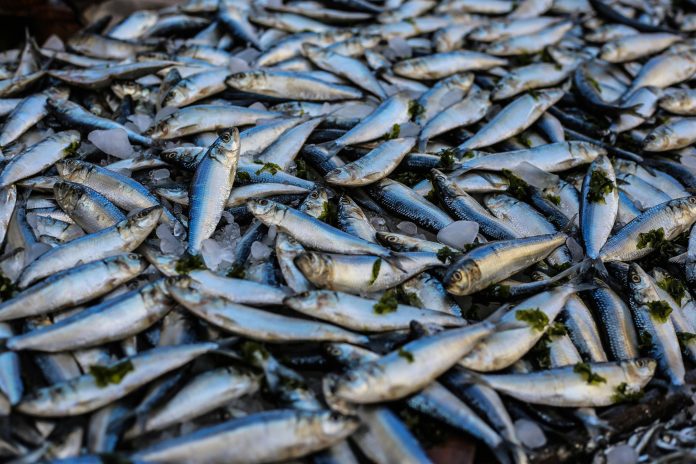
Alarmed by a sustained drop in the country’s fish production, Senate Minority Leader Alan Peter Cayetano is renewing his push to create a dedicated Department of Fisheries and Aquatic Resources (Senate Bill No. 417), saying the current system is no longer enough to manage the country’s vast marine wealth.
Cayetano’s call came as a report estimated that the country has been losing an average of 45,472 metric tons of fish annually over the past decade, raising concerns over food security and the long-term sustainability of the sector.
A study also pointed out that there are capacity constraints within the Bureau of Fisheries and Aquatic Resources (BFAR), which saw a 28 percent reduction in workforce from 2017 to 2023 even as its responsibilities expanded.
This comes at a critical time as fisherfolk remain among the poorest, if not the poorest, sector in the country, based on data from the Philippine Statistics Authority (PSA) and the Department of Social Welfare and Development (DSWD).
Against this backdrop, the Minority Leader said a structural reform is needed.
“The Philippines, being an archipelago with very rich marine resources, can be a marine powerhouse. Thus, it is logical to establish a Department that is focused and accountable for the development, management, and conservation of our country’s aquatic resources and fishing industries,” he said in the explanatory note of Senate Bill No. 417.
The proposed Department of Fisheries and Aquatic Resources (DFAR) will serve as the primary policy-making and regulatory body for the sector, separate from the Department of Agriculture, which Cayetano noted has historically focused more on land-based farming.
“It is time that the government provides for a focused, specialised department responsive to the needs and concerns of the fisheries and aquatic resource industry,” he said.
The measure also aims to address illegal fishing through stronger monitoring systems, tighter regulations, and better coordination with enforcement agencies and non-government groups.
The DFAR is envisioned to consolidate and streamline functions currently spread across multiple agencies, including BFAR, the Philippine Fisheries Development Authority, and marine programs under the Department of Environment and Natural Resources, in a bid to reduce overlap and improve efficiency.
Other measures pending in the Senate seek to strengthen support systems for fisherfolk and protect municipal waters, but Cayetano maintained that a centralized and accountable institution is key to reversing the sector’s decline.
“This will be a significant step in order to better protect, utilize, maximize, and conserve the nation’s marine resources as well as uphold the best interest of the fisherfolk,” he said.###