
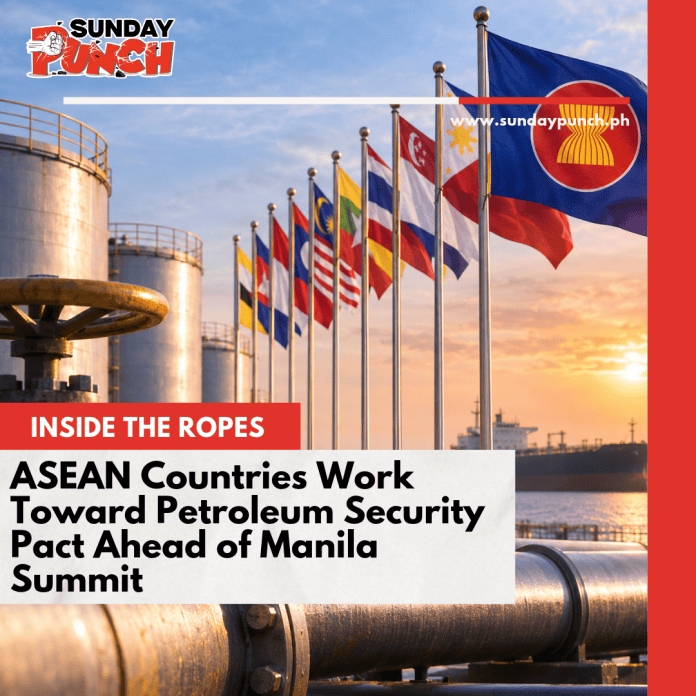
Southeast Asian leaders are preparing to strengthen regional energy security as the ongoing Middle East conflict continues to threaten fuel supplies and economic stability across ASEAN. The Philippines, under President Ferdinand Marcos Jr.’s chairmanship, will host the 49th ASEAN Summit in Manila from November 15 to 17, 2026, where additional measures to address the energy crisis are expected to be discussed and potentially adopted.
Philippine ASEAN chairship spokesperson Dominic Xavier Imperial said member states are considering further action to protect the region from disruptions in global oil supply. Among the proposals is a regional petroleum stockpiling mechanism that would allow participating countries to maintain and potentially share emergency fuel reserves. ASEAN leaders initially endorsed the proposal during their May summit in Cebu, but the study remains underway, with the size and operating arrangements of the reserve yet to be finalized.
Another major priority is the updated ASEAN Petroleum Security Agreement, which aims to strengthen cooperation among member states during severe fuel shortages. The Philippines has already ratified the agreement, while other ASEAN countries are completing their domestic approval processes. The urgency comes as disruptions to Middle Eastern oil shipments have driven fuel prices higher, leaving import-dependent economies like the Philippines vulnerable despite a recent ₱16.80-per-liter gasoline price rollback announced for November 10 to 16.
Beyond energy security, the Manila summit will also tackle food supply stability, cross-border criminal activities, online scams, and stronger protections for migrant workers, including overseas Filipinos. With Southeast Asia still facing the economic consequences of the Middle East conflict, the challenge for ASEAN leaders is turning regional commitments into practical measures that can protect businesses, workers, and households from future disruptions.