
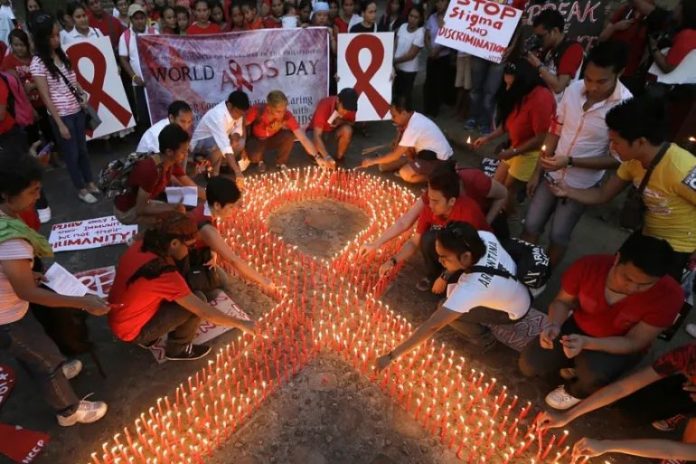
The bell has rung, and the Department of Health is bracing for a tough final round: HIV cases in the Philippines are projected to surge to 252,800 by the end of 2025, marking one of the steepest climbs in recent years. As of September, 149,375 Filipinos have already been confirmed to be living with HIV—numbers the agency says reflect both broader testing and a widening epidemic.
While 67% of diagnosed patients are on lifesaving antiretroviral therapy, the country remains far from the UNAIDS 95-95-95 goals—targets integrated into the national medium-term plan that aim to diagnose, treat, and achieve viral suppression in nearly all PLHIVs by 2030. The gap isn’t just numerical; it speaks to issues of access, stigma, and the ability of local health systems to keep pace with cases rising faster than expected.
From July to September alone, 5,583 new cases were confirmed—up 22% from the same period last year. Young Filipinos remain at the center of the fight: 72% of new infections came from people aged 15 to 34, with sexual transmission still responsible for an overwhelming 96% of all cases since 1984. Despite this upward trend, mortality among PLHIVs dipped slightly this quarter, a sign that earlier testing and treatment are helping keep more people alive.
Still, experts warn that the momentum is moving in the wrong direction. With an average of 61 new cases per day, the country cannot afford to let its guard down. The first round is done—but if the Philippines wants a fighting chance in this bout, the next rounds must be marked by stronger public education, reduced stigma, and expanded access to treatment nationwide.
Image from Ted Regencia / AP