
The gloves are off in The Hague. The International Criminal Court prosecution has turned over a mountain of material to the defense of Rodrigo Duterte—1,303 pieces of evidence, disclosed over a six-month stretch in 2025. This isn’t symbolic paperwork. The bulk of it points straight at killings tied to the drug war Duterte once owned, defended, and doubled down on.
Here’s the split: 906 items flagged as incriminating, hundreds more open for defense inspection, and only eight tagged as potentially exculpatory. The contents remain sealed, but the prosecution says the evidence covers deadly barangay operations and executions of so-called “high-value targets.” Translation: this isn’t about policy debates—it’s about bodies, timelines, and command.
The timing matters. Prosecutors clarified that this batch won’t be used for the still-unscheduled confirmation hearings, which were pushed back from September. Even so, the disclosure signals momentum. Evidence exchanges are a pressure point at the ICC: they shape strategies, lock narratives, and narrow exits. The message is clear—this case isn’t stalling; it’s stacking.
Duterte remains detained in Scheveningen, awaiting the next round in a case that’s no longer abstract. Thousands of pages, recordings, and records now sit with his defense. The fight ahead isn’t about whether the paper exists—it’s about whether it proves who ordered what, when, and why. And on that score, the prosecution just showed its hand.
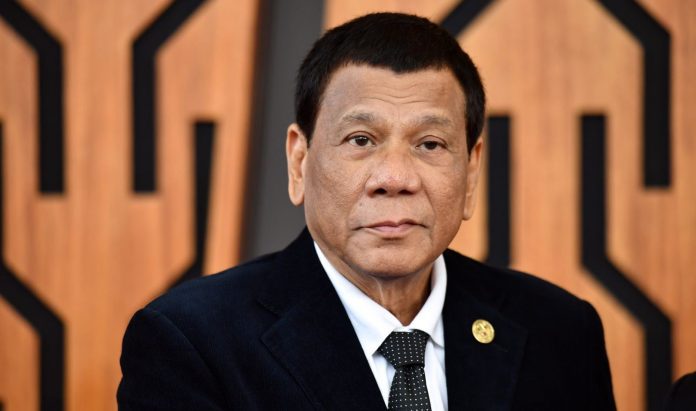
Image from Mick Tsikas / EPA