
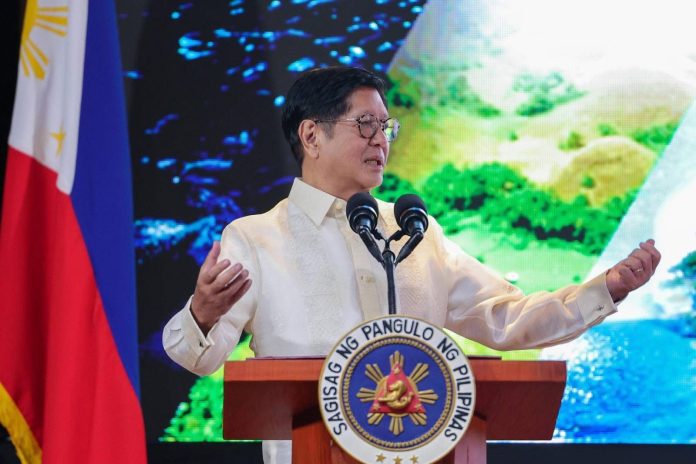
President Ferdinand Marcos Jr. stepped into the ring of public scrutiny once again — this time through his own podcast — laying out what he claims separates his leadership from that of his father, the late dictator Ferdinand Marcos Sr. In a rare, introspective tone, he said he has inherited lessons but not the same playbook. “I learned not to stop,” he said, framing perseverance as the guiding principle he absorbed from growing up under a 20-year presidency. But the younger Marcos insisted his governance is forged in a “different world,” one that requires new and unconventional approaches.
Marcos described the presidency as a bruising match — sleepless nights, nonstop problems, and the pressure to “stand up again” after setbacks. Yet he painted himself as driven by duty rather than dynasty, stressing that he’s in the job “not for myself” but to work through reforms he believes are still far from finished. His personal mantra, he said, is to keep pushing forward because “the work never ends.”
He also opened up about how he manages the strain: carving out a three-hour break for music, family, or exercise, and stepping away from major problems to return with a “new idea.” He credits surviving the grind to what he calls a built-in advantage — watching his father rule for two decades from inside Malacañang. Still, he insists the times have changed, and so has the kind of leadership required.
Looking ahead, Marcos said his hope is that whoever follows him will carry on his structural reforms, ensuring they outlast him. He claimed he leads his own children “by example,” and wants the systems he is building to continue even “when I’m no longer here.” Whether the next administration sees these as foundations — or stumbling blocks — remains to be fought out long after the podcast ends.
Image from Bongbong Marcos FB