
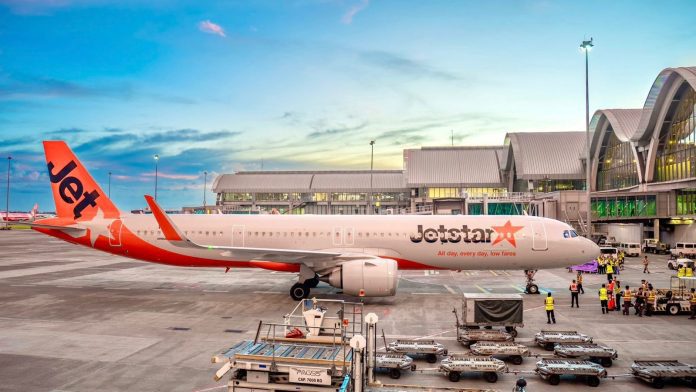
Australia just tightened its clinch with the Philippines, rolling out the new Brisbane–Cebu direct flights that signal a far more aggressive push into trade, tourism, and long-term economic partnership.
The inaugural Jetstar service—its first regular route to a Philippine city outside Manila—lands at a crucial moment. Cebu is still rebuilding after a recent typhoon, and the added connectivity is expected to pump fresh movement into tourism and business activity across the Visayas. For Australia, it’s a clear message: the Philippines is no longer just a secondary market—it’s a priority arena.
Australian Ambassador Marc Innes-Brown said the route is part of a broader play: one designed to boost investment, deepen commercial activity, and strengthen cultural ties. With bilateral air service agreements updated in September, both countries are already gearing up to double passenger capacity to Australian cities by late 2026, alongside expanded cargo rights and new codeshare opportunities.
Behind all this is Canberra’s Southeast Asia Economic Strategy 2040, a roadmap that places the Philippines firmly in Australia’s sights. More flights mean more movement, more trade, and more opportunities—proof that the partnership isn’t just warming up, it’s stepping into a higher weight class.
Image from Australia in The Philippines FB